

by Patricia Wall – The Club at Woodbridge
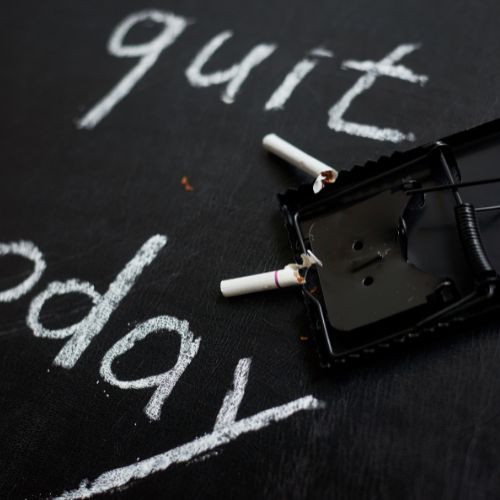
Quitting smoking is one of the most impactful decisions you can make for your health, yet it’s also one of the most challenging. Nicotine addiction affects both the body and the mind, making the process of quitting feel overwhelming. The good news is that millions of people have successfully quit—and with the right strategies, you can too.
Understanding Why Quitting Is Hard
Smoking isn’t just a habit; it’s a dependency. Nicotine stimulates the brain’s reward system, creating a cycle of cravings and temporary relief. Over time, your body and mind begin to rely on cigarettes to cope with stress, boredom, or even routine activities like drinking coffee or driving.
Recognizing this dual dependency is key. To quit effectively, you need to address both the physical addiction and the behavioral patterns tied to smoking.
Set a Clear Quit Date
Choosing a specific quit date gives you a concrete goal. Avoid vague intentions like “sometime soon.” Instead, pick a date within the next couple of weeks and prepare for it mentally and physically. Mark it on your calendar and treat it as a serious commitment.
Identify Your Triggers
Pay attention to when and why you smoke. Common triggers include stress, social situations, alcohol, or certain routines. Once you identify these patterns, you can develop strategies to handle them without cigarettes.
For example:
- Replace a smoke break with a short walk
- Chew gum or snack on something healthy
- Practice deep breathing during stressful moments
Consider Nicotine Replacement Therapy (NRT)
Nicotine replacement products—such as patches, gum, lozenges, inhalers, or nasal sprays—can help reduce withdrawal symptoms. They provide controlled doses of nicotine without the harmful chemicals found in cigarettes.
NRT can double your chances of quitting successfully when used correctly. It’s often most effective when combined with behavioral support.
Build a Support System
You don’t have to quit alone. Tell friends, family, or coworkers about your plan to quit so they can encourage you. You can also join support groups or online communities where others are going through the same journey.
Accountability and encouragement can make a significant difference, especially during difficult moments.
Change Your Routine
Smoking is often tied to daily habits. Breaking those associations can help weaken cravings. Try:
- Switching your morning routine
- Avoiding places where you usually smoke
- Keeping your hands busy with a stress ball or pen
Small changes can disrupt the automatic urge to smoke.
Learn to Manage Cravings
Cravings usually last only a few minutes, even though they may feel intense. When they hit:
- Delay: Wait 5–10 minutes before acting
- Distract: Engage in another activity
- Drink water: It helps reduce the urge
- Deep breathe: Calm your body and mind
Remind yourself that cravings pass whether you smoke or not.
Address Stress in Healthier Ways
Many people smoke to cope with stress. Replacing that coping mechanism is essential. Consider:
- Exercise (even a short walk helps)
- Meditation or mindfulness
- Journaling your thoughts
- Talking to someone you trust
These alternatives not only reduce stress but also improve your overall well-being.
Avoid “Just One Cigarette”
It’s tempting to think you can have just one cigarette without falling back into the habit. In reality, this often leads to relapse. Stay firm in your decision and remind yourself why you chose to quit.
Reward Your Progress
Quitting smoking saves money—often more than people realize. Set aside the money you would have spent on cigarettes and use it to reward yourself. Whether it’s a meal out, new clothes, or a small trip, celebrating milestones reinforces your progress.
Be Prepared for Setbacks
Relapse doesn’t mean failure—it means you’re still learning. If you slip, analyze what happened and use it as a lesson for next time. Many successful quitters tried several times before quitting for good.
Final Thoughts
Quitting smoking is a journey, not a single event. It requires patience, persistence, and self-awareness. By combining practical strategies with a strong support system, you significantly increase your chances of success.
Every cigarette you don’t smoke is a step toward a healthier, longer life. Start where you are, stay committed, and remember: change is possible—and it’s worth it.
Disclaimer: This blog is intended for informational and educational purposes only and should not be considered medical advice. Quitting smoking can involve physical and psychological challenges that vary from person to person. It is recommended to consult a qualified healthcare professional or physician before starting any smoking cessation program, especially if you have underlying health conditions or are considering medications or nicotine replacement therapies. Always seek professional guidance for personalized support and treatment.