

by Patricia Wall – The Club at Woodbridge

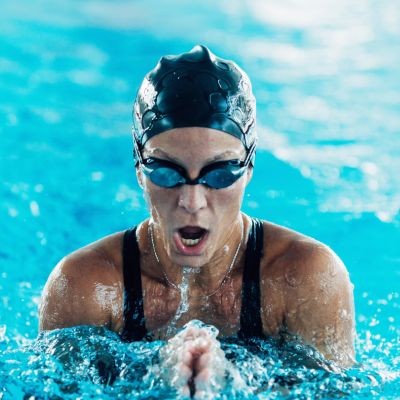
Whether you’re a runner, cyclist, or weightlifter, cross-training is essential to elevate performance, reduce injury risks, and enhance overall fitness. One powerful addition to any cross-training routine is swimming, a low-impact workout that provides full-body conditioning. In this post, we’ll explore why hitting the pool can improve your performance in other sports and share some tips to help you swim properly and effectively.
Reduced Impact, High Rewards
High-impact sports like running or intense weightlifting put a lot of stress on your joints. Unlike these land-based exercises, swimming offers a near-weightless environment, taking the pressure off your joints and allowing your muscles to work without the strain. “Swimming is one of the best cross-training activities for athletes because of the low impact on the body,” says Tom Gallagher, a professional triathlon coach. “It allows you to keep up conditioning without putting stress on joints.”
Enhanced Cardiovascular Health
Swimming is an incredible cardiovascular workout that boosts heart and lung health. The resistance of water requires more oxygen use, pushing your cardiovascular system in a gentle yet challenging way. By adding swimming to your routine, you’ll find that activities like running and cycling feel easier and less taxing on your heart and lungs.
Core Strength and Stability
Swimming engages your core muscles to maintain balance and streamline your movements in the water. Strengthening your core through swimming can improve your balance, prevent injuries, and lead to smoother performance in your primary sport. As Olympic swimming coach Sandra Stevens explains, “In the water, every movement is core-driven, so you’re constantly building stability and control, which can benefit any sport.”
Increased Flexibility and Range of Motion
The stretching and extending movements in swimming help improve your flexibility over time. Unlike lifting weights, where muscles are often contracted, swimming involves elongating and extending muscles, allowing for a greater range of motion in the hips, shoulders, and legs. Enhanced flexibility reduces injury risk and complements sports like cycling and running, where tight muscles can hinder performance.
Key Tips for Swimming Properly
If you’re new to swimming, technique is essential. Here are some expert tips to maximize your workout and avoid injury:
- Focus on Form: Keep your head low in the water, and avoid lifting it too high during strokes. This keeps your body streamlined and reduces drag. “Many beginners struggle with their head position, which can lead to poor alignment and slower swimming,” says professional swim instructor Lisa Morgan.
- Breathe Consistently: Try to establish a rhythmic breathing pattern, such as breathing every third stroke. Proper breathing reduces fatigue and keeps you relaxed.
- Use Your Core: Engage your core throughout each stroke to help stabilize and propel your body. “Swimming is a full-body activity, but a strong core is your powerhouse,” adds Stevens.
Stay tuned for Part 2, where we’ll cover specific swimming workouts to incorporate into your cross-training routine and discuss how to get the most out of your time in the pool!