

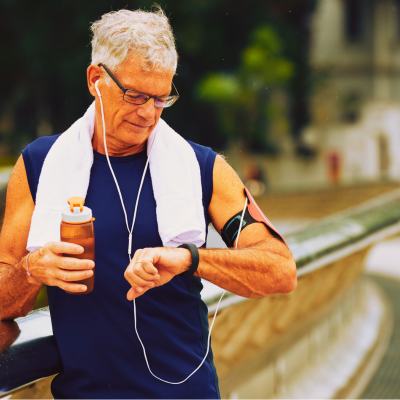
In a society that often glorifies youth and vitality, the concept of aging gracefully can seem like an elusive dream. However, research and real-life examples are demonstrating that actively aging—engaging in physical, mental, and social activities—can lead to a fulfilling and vibrant life well into the golden years.
According to the World Health Organization (WHO), regular physical activity is one of the most important factors for healthy aging. Statistics reveal that adults aged 65 and older who engage in moderate-intensity aerobic activity can improve their health and reduce the risk of developing chronic diseases. Moreover, studies have shown that older adults who exercise regularly have a lower risk of falls, a common concern in aging populations.
Aging is often associated with cognitive decline, but research indicates that staying mentally active can help mitigate this. Engaging in activities that challenge the brain, such as puzzles, reading, or learning new skills, can improve cognitive function. Studies have also shown that social interaction plays a significant role in maintaining mental health in older adults, reducing the risk of depression and cognitive decline.
Maintaining strong social connections is vital for overall well-being as we age. Statistics suggest that older adults who regularly engage with friends and family are more likely to report higher levels of happiness and life satisfaction. These social interactions can also provide a sense of purpose and belonging, which are crucial for mental and emotional health.
Dr. John Ratey, an associate clinical professor of psychiatry at Harvard Medical School, emphasizes the importance of physical activity in aging, stating, “Exercise is really for the brain, not the body. It affects mood, vitality, alertness, and feelings of well-being.” This highlights the interconnectedness of physical and mental health in the aging process.
In conclusion, actively aging is not just about adding years to life but adding life to years. By staying physically active, mentally stimulated, and socially connected, older adults can enhance their quality of life and enjoy a fulfilling and meaningful journey through aging. As the saying goes, “Age is just a number,” and with the right approach, we can embrace each stage of life with vitality and joy.
References:
- World Health Organization. (2020). Physical activity and older adults. https://www.who.int/news-room/fact-sheets/detail/physical-activity-and-older-adults
- National Institute on Aging. (2020). Aging well. https://www.nia.nih.gov/health/aging-well#:~:text=Stay%20socially%20active.,or%20join%20a%20new%20club.
- Harvard Health Publishing. (2018). Regular exercise changes the brain to improve memory, thinking skills. https://www.health.harvard.edu/blog/regular-exercise-changes-brain-improve-memory-thinking-skills-201404097110