

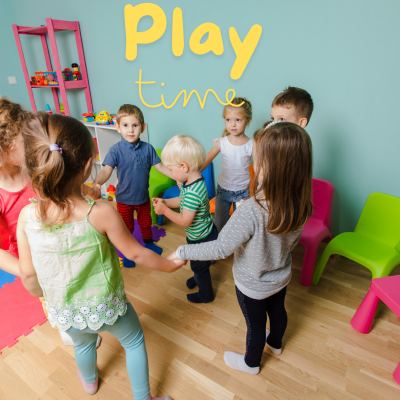
The Importance of Play in Early Childhood Development
Play is often viewed as a simple and enjoyable activity for children, but it is much more than that. For preschoolers, play is a vital part of their development, impacting their cognitive, physical, social, and emotional growth. Understanding the multifaceted role of play can help parents and educators provide the best environments for young children to thrive.
Cognitive Development
Play is a powerful tool for cognitive development. When children engage in play, they are actively exploring, experimenting, and problem-solving. These activities stimulate brain development and enhance cognitive abilities.
Imaginative Play: Through imaginative or pretend play, children use their creativity to create scenarios and roles. This type of play helps in developing abstract thinking and improves language skills. For example, when children play “house,” they mimic adult behaviors, negotiate roles, and use symbolic thinking to represent real-world situations with toys.
Educational Games: Games that require sorting, matching, and building help develop critical thinking and spatial awareness. Puzzles, building blocks, and memory games challenge children to think critically and solve problems, fostering cognitive skills like attention to detail, memory retention, and logical reasoning.
Physical Development
Physical play is essential for developing gross and fine motor skills. Through active play, children improve their coordination, balance, and overall physical fitness.
Outdoor Play: Activities like running, jumping, climbing, and playing on playground equipment help strengthen muscles and improve cardiovascular health. Outdoor play also provides opportunities for children to explore their environment, understand spatial relationships, and develop a sense of independence.
Structured Physical Activities: Organized sports and activities like dance, gymnastics, or swimming lessons help children learn new physical skills and improve their ability to follow instructions and work as part of a team. These activities enhance both gross motor skills (large movements like running and jumping) and fine motor skills (small movements like holding a pencil or cutting with scissors).
Social Development
Play is a crucial element in the development of social skills. Through play, children learn how to interact with others, share, take turns, and resolve conflicts.
Cooperative Play: Activities that require teamwork, such as building a tower together or playing a group game, teach children how to cooperate and communicate effectively. These experiences help children understand the importance of working together towards a common goal and develop empathy as they consider the perspectives and needs of their peers.
Role-Playing Games: Engaging in role-playing scenarios, such as playing “school” or “doctor,” helps children practice social roles and norms. This type of play enhances their understanding of social structures and improves their ability to navigate various social situations.
Emotional Development
Play provides a safe space for children to express their emotions and develop emotional regulation skills.
Free Play: When children are given the freedom to choose their activities, they learn to recognize and manage their emotions. Free play allows children to process their feelings and experiences, reducing stress and promoting emotional well-being.
Artistic Play: Activities like drawing, painting, and crafting enable children to express their emotions creatively. Artistic play helps children articulate their feelings and thoughts in a non-verbal way, fostering emotional intelligence and self-awareness.
Fostering Creativity, Problem-Solving Skills, and Cooperation
One of the most significant benefits of play is its ability to foster creativity, problem-solving skills, and cooperation. Through various forms of play, children learn to think outside the box, approach challenges with a solution-oriented mindset, and collaborate effectively with others.
Creative Play: Activities like building with blocks, creating art, or inventing games stimulate creativity and innovation. Children learn to explore new ideas, experiment with different materials, and create something unique, enhancing their creative thinking abilities.
Problem-Solving Play: Games and activities that present challenges, such as puzzles or strategy games, encourage children to develop problem-solving skills. These activities teach children to think critically, analyze situations, and devise solutions, preparing them for future academic and life challenges.
Cooperative Play: Play that involves working with others, such as team sports or group projects, teaches children the value of cooperation and teamwork. Through these experiences, children learn to communicate effectively, share responsibilities, and support one another, building strong social bonds and collaborative skills.
Play is not just a way for children to pass the time; it is a fundamental aspect of early childhood development. By engaging in various forms of play, preschool children develop essential cognitive, physical, social, and emotional skills. Encouraging imaginative play, outdoor activities, and educational games can provide a well-rounded foundation for children, fostering creativity, problem-solving skills, and cooperation. As parents and educators, recognizing and supporting the importance of play can significantly contribute to the healthy growth and development of young children.
References:
- Ginsburg, K. R. (2007). The Importance of Play in Promoting Healthy Child Development and Maintaining Strong Parent-Child Bonds. Pediatrics, 119(1), 182-191.
- This article from the American Academy of Pediatrics emphasizes the crucial role of play in the development of children and its benefits in fostering cognitive, physical, social, and emotional well-being. Link to the article
- Bodrova, E., & Leong, D. J. (2003). The Importance of Being Playful. Educational Leadership, 60(7), 50-53.
- This publication highlights the significance of play in early childhood education, explaining how play supports various aspects of development and offering insights into different types of play activities that enhance learning and growth. Link to the article