

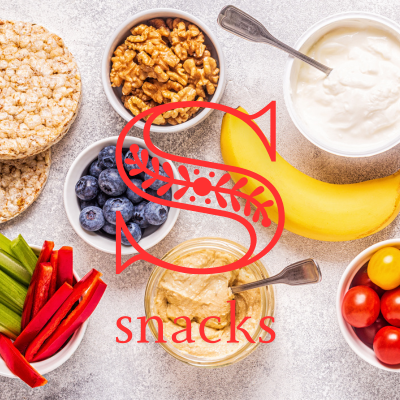
Healthy Snack Ideas for Preschoolers
Healthy snacks are essential for preschool-aged children, providing them with the energy and nutrients needed for growth, development, and play. Finding snacks that are both nutritious and appealing to young children can be a challenge, but with a little creativity, it’s possible to offer a variety of delicious and healthy options. This blog will explore the importance of balanced nutrition for young children and provide a variety of easy-to-make snack ideas that cater to different dietary needs and preferences, such as gluten-free or nut-free options.
The Importance of Balanced Nutrition
Balanced nutrition is crucial during the preschool years, as children undergo rapid growth and development. Proper nutrition supports brain development, strengthens the immune system, and promotes healthy bones and muscles. A balanced diet for preschoolers should include a variety of foods from all the major food groups: fruits, vegetables, grains, protein, and dairy.
Here are some key nutrients and their benefits:
Proteins: Essential for growth and repair of tissues. Sources include meat, dairy, beans, and nuts.
Carbohydrates: Provide energy for active play and learning. Sources include whole grains, fruits, and vegetables.
Fats: Necessary for brain development and energy. Sources include avocados, nuts, seeds, and fish.
Vitamins and Minerals: Support overall health and development. Sources include a wide range of fruits and vegetables.
Healthy Snack Ideas
Here are some healthy, easy-to-make snack ideas that are perfect for preschoolers and cater to various dietary needs.
Fruit and Veggie Sticks with Dip
Cut up a variety of fresh fruits and vegetables into sticks or slices and serve with a healthy dip such as hummus, yogurt dip, or nut-free sunflower seed butter. This snack is colorful and fun to eat, providing vitamins, minerals, and fiber, while the dip adds protein and healthy fats.
Mini Rice Cakes with Toppings
Top mini rice cakes with a variety of spreads like cream cheese, avocado slices, hummus, or nut-free sunflower seed butter. You can add extras like cherry tomato halves, cucumber slices, or a sprinkle of chia seeds for added nutrition. These are easy to customize and can be made to suit gluten-free diets, offering a good balance of carbohydrates, healthy fats, and proteins.
Yogurt Parfaits
Layer plain or Greek yogurt (dairy or non-dairy) with fresh fruit and granola or crushed nuts (optional for non-nut-free options). You can also drizzle a small amount of honey or maple syrup for added sweetness. Yogurt provides calcium and probiotics for healthy digestion, while the fruit adds vitamins and antioxidants.
Homemade Veggie Muffins
Make muffins with whole wheat flour, grated vegetables like zucchini or carrots, and natural sweeteners like applesauce or mashed banana. These muffins are a great way to sneak in vegetables and are perfect for on-the-go snacks.
Cheese and Whole Grain Crackers
Pair slices of cheese (e.g., cheddar, mozzarella, or a non-dairy alternative) with whole grain crackers. Add apple slices or grapes for a sweet addition. This snack provides a good mix of protein, healthy fats, and carbohydrates, making it a balanced choice.
Catering to Dietary Needs
When preparing snacks for preschoolers, it’s important to consider dietary restrictions and preferences. Here are some tips for accommodating different needs:
Gluten-Free:
- Use gluten-free grains like rice cakes, gluten-free crackers, or homemade gluten-free muffins.
- Ensure that all packaged foods are labeled gluten-free to avoid cross-contamination.
Nut-Free:
- Replace nut butters with seed butters (e.g., sunflower seed butter).
- Avoid using any ingredients that contain nuts and be cautious with labels to ensure there are no traces of nuts.
Dairy-Free:
- Use dairy-free yogurt alternatives (e.g., coconut yogurt, almond milk yogurt).
- Substitute cheese with dairy-free cheese options made from nuts or soy.
Ensuring Balanced Nutrition
To ensure your child gets the necessary nutrients for growth and development, focus on providing a variety of foods from each food group. Here are some additional tips:
Offer a Rainbow of Foods:
- Include a variety of colorful fruits and vegetables to ensure a range of vitamins and minerals.
- Aim for at least five servings of fruits and vegetables each day.
Include Whole Grains:
- Choose whole grain options like whole wheat bread, brown rice, and oatmeal.
- Whole grains provide more fiber and nutrients compared to refined grains.
Incorporate Protein:
- Offer a mix of plant-based and animal-based protein sources such as beans, lentils, eggs, and lean meats.
- Protein is essential for growth and repair of tissues.
Healthy Fats:
- Include sources of healthy fats like avocados, olive oil, and fatty fish.
- Healthy fats support brain development and overall health.
Providing healthy snacks for preschoolers doesn’t have to be complicated. With a bit of planning and creativity, you can offer a variety of nutritious and delicious options that cater to different dietary needs. Remember, balanced nutrition is key to supporting your child’s growth and development, so aim to include a mix of fruits, vegetables, whole grains, proteins, and healthy fats in their diet. By making healthy eating enjoyable and accessible, you can set your child up for a lifetime of good eating habits.
References
- Academy of Nutrition and Dietetics. (2018). Healthy Eating for Preschoolers. Retrieved from EatRight.org
- Harvard T.H. Chan School of Public Health. (2020). The Nutrition Source: Healthy Eating Plate. Retrieved from Harvard Health